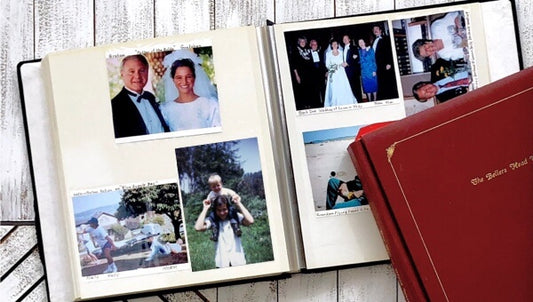

Looking back at a winter wardrobe through the decades reveals how fashion, function, and culture evolved together. Cold-weather clothing has always reflected daily life, available materials, and changing lifestyles. Old winter photos show more than coats and boots. They capture routines, traditions, and moments shaped by the season. Many families still treasure these memories, and Capture plays a quiet but important role in preserving winter photos and films so they remain accessible for future generations.
Jump to:
- Winter Staples That Never Really Left
- 1920s to 1940s Winter Dressing
- 1950s Winter Wardrobes and Early Ski Culture
- 1960s to 1970s Style Shifts You Can Spot Instantly
- 1980s to 1990s, the Bright Era
- How to Date a Winter Photo Using Wardrobe Clues
- Bringing Vintage Winter Style into a Modern Keepsake
- Why Winter Fashion Memories Matter
Winter Staples That Never Really Left
Some winter essentials appear again and again, no matter the decade. While silhouettes and materials change, these core pieces remain familiar. Their consistency makes them reliable reference points in old photos.

Early winter wardrobes followed strict style rules, even for everyday outdoor wear.
Pea coats and wool outerwear
Wool coats show up again and again in winter photos, often buttoned tight on front porches or worn indoors before central heating became common. Pea coats, overcoats, and long wool jackets offered warmth and structure when insulation options were limited. Their clean lines made them suitable for both casual outings and formal occasions. This versatility explains why they appear so often across a winter wardrobe through the decades.
Hats that framed hairstyles and accessories
Hats were once considered essential winter wear rather than optional accessories. They framed hairstyles carefully and completed the overall look. Different hat shapes often signaled age, status, or fashion awareness. In photos, hats are one of the fastest ways to identify an era.
Hand warmers were once essential winter accessories
Winter accessories served practical purposes before modern heating and insulation. Scarves, gloves, and hand warmers protected against long outdoor exposure. Many were handmade or carefully chosen to match coats. These details add depth to winter photographs and help define a winter wardrobe through the decades.
1920s to 1940s Winter Dressing
Early 20th-century winter fashion leaned heavily toward formality and structure. Even casual winter wear followed strict style rules. Clothing reflected social expectations and limited fabric choices.
Heavy materials and tailored silhouettes
Coats were thick, heavy, and precisely tailored. Movement was restricted, but warmth was prioritized. Long hems and narrow cuts dominated. These silhouettes are especially noticeable in street photos and family portraits from the era.
Fur trims and formal winter accessories
Fur collars, cuffs, and muffs were common features of winter coats. Hats and gloves were worn outdoors without exception. Winter dressing was treated as an extension of formal attire rather than comfort wear.
Practical influence of wartime years and fabric scarcity
Wartime shortages reshaped winter wardrobes. Coats became simpler and more functional. Decorative elements were reduced. Fabric reuse and repair became common. These practical adjustments are visible markers when studying winter clothing from this period.

Postwar winter fashion blended structured coats with a growing focus on leisure and travel.
1950s Winter Wardrobes and Early Ski Culture
Postwar optimism reshaped winter fashion. Clothing became more expressive while maintaining structure. Winter wear balanced elegance and emerging leisure culture.
Structured coats, classic gloves, and scarves
Waistlines returned, and coats emphasized shape and polish. Gloves and scarves were coordinated carefully. Many winter outfits were purchased as complete sets. These details reflect styles that were popular in the 50s and appear frequently in holiday photos.
Ski clothing before modern technical fabrics
Early ski wear focused on appearance rather than performance. Wool trousers and fitted jackets dominated the slopes. Photos from ski trips often show stylish but impractical outfits. These images stand out sharply when compared to modern winter sportswear.
1960s to 1970s Style Shifts You Can Spot Instantly
Social change in the 1960s and 1970s led to visible shifts in winter clothing. Fashion rules loosened, and comfort gained importance. Individual expression became more visible. In family albums and street photography from this period, candid winter snapshots often replace posed portraits, with coats worn open, hats pushed back, and movement captured mid-step.
Mod influence and bolder coat details
Shorter coats and bold buttons became common. Geometric shapes and brighter colors replaced muted tones. These coats often appear in candid winter street photos and city scenes.
Hats and statement outerwear
Outerwear became more expressive. Berets, patterned coats, and textured fabrics drew attention. Hats were still worn but became less formal. This shift is easy to identify when reviewing a winter wardrobe through the decades.
Casual winter looks are becoming more common
Casual jackets replaced structured coats for everyday wear. Denim and softer fabrics appeared more often. This era marked the transition toward relaxed winter dressing.
1980s to 1990s, the Bright Era
Winter fashion became louder and more playful. These decades are especially prominent in home videos and vacation footage. Color and volume defined winter style.
Neon ski wear and bold color blocking
Bright ski suits and color-blocked jackets dominated winter sports scenes. These looks were visually striking and easy to date. They align naturally with trends connected to top shoe styles in the 80s, where bold design choices ruled.
Puffy jackets and big winter silhouettes
Down jackets grew oversized and heavily insulated. Volume replaced tailoring. Warmth became the main focus. These silhouettes appear frequently in school photos, travel videos, and holiday gatherings.
How these decades dominate holiday and vacation home videos
The rise of home video cameras meant more winter moments were recorded. Puffy coats and bright colors stand out clearly on tape. Many of these styles continued and evolved into looks that were popular in the 90s, especially casual outerwear.

Bold colors and oversized down jackets defined winter style in the late twentieth century.
How to Date a Winter Photo Using Wardrobe Clues
Winter clothing provides strong visual indicators when identifying old photos. Seasonal garments often change faster than indoor fashion.
- Coat length and lapel shape: Long, fitted coats suggest earlier decades. Boxier cuts point to later years.
- Hat styles and materials: Felt and structured hats indicate formality. Knit caps suggest casual or modern use.
- Boot shapes and heel types: Slim leather boots differ from later bulky winter footwear.
- Color and fabric cues: Muted tones suggest early decades. Bright synthetics point to the late 20th century.
Together, these details help place images accurately within a winter wardrobe through the decades timeline.
Bringing Vintage Winter Style into a Modern Keepsake
Old winter photos offer creative ways to connect generations. Seasonal clothing adds visual continuity and emotional depth.
Recreating a family winter photo with matching outfits
Recreating a favorite winter image using similar coats or poses can be meaningful. It highlights continuity while honoring the original moment.
Making a small coffee table photo book
Organize winter photos with one decade per chapter to create a clear seasonal timeline. Using a professional photo album scanning service allows families to preserve fragile winter photos that were often stored in cold basements, attics, or boxes where temperature shifts and repeated handling cause damage.
Once digitized, the images can be arranged into a coffee table book without removing photos from albums or risking wear to the originals, making long-term preservation part of the creative process rather than an afterthought.
Holiday slideshow idea built from winter photos
A slideshow that moves through generations creates a powerful seasonal tradition. Winter images provide consistent themes of warmth and togetherness.
Why Winter Fashion Memories Matter
A winter wardrobe through the decades tells a personal story of adaptation, warmth, and identity. Coats, hats, and boots reflect how families lived through cold seasons together. Winter clothing records how families prepared, gathered, and endured the cold together. Preserving these images keeps those seasonal rhythms visible long after the snow has melted. It preserves context and memory. When cared for, a winter wardrobe through the decades remains something that can still be shared, understood, and appreciated.