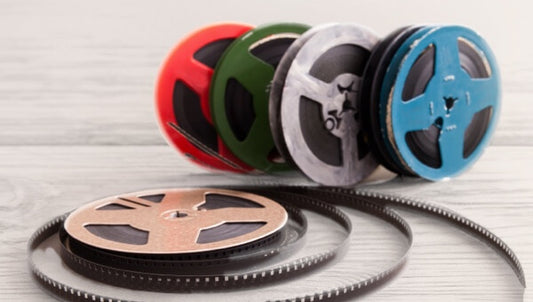

Hi8 tapes still sit in many closets and drawers today. Parents once used them to film birthdays, vacations, and school events, and now their kids discover those tiny cassettes and ask what Hi8 is and why it looked so different. TV and technology have changed dramatically since then, but these tapes still hold real family history.
Hi8 mattered because it gave the 90s a clearer, smaller, and more reliable way to record everyday life, shaping how families captured the moments that still mean the most today.
Jump To:
- What Is Hi8
- A Quick Look at How Hi8 Tapes Work
- Hi8 vs VHS vs Video8 What Made Hi8 Different
- Why Hi8 Became So Popular in the 90s
- How Long Hi8 Tapes Last And Why They Don’t Age Well
- How People Today Can Watch Hi8 Tapes
- Why Hi8 Still Matters Today
What Is Hi8
Hi8 stands for “High-band Video8.” Sony introduced it in 1989 as a sharper, more advanced version of the original Video8 format. It used the same compact cassette but recorded much more detail, often reaching about 400 lines of resolution compared to Video8 and VHS at around 240. The result was richer color, cleaner edges, and home videos that looked closer to broadcast TV of the time. For many families, when they ask, “What is Hi8 now?” they are really remembering the format that made their 90s recordings look noticeably clearer.

Hi8 camcorders were smaller and easier to carry on trips and daily outings.
A Quick Look at How Hi8 Tapes Work
Inside every Hi8 cassette is a thin magnetic tape wound around two reels. When you press record, the camcorder pulls the tape across spinning heads that store video, audio, and timecode along the tape’s surface. Hi8 uses higher-grade metal particles than standard Video8, which allows it to capture more detail and a cleaner signal in each frame. The camcorder also records stereo sound along narrow audio tracks.
During playback, the tape runs past the same heads in reverse, converting those magnetic patterns back into picture and sound. This efficient design lets Hi8 deliver crisp video and stereo audio in a compact shell, making it easy for families to film with small Hi8 camcorders and watch their recordings on a TV at home.
Hi8 vs VHS vs Video8: What Made Hi8 Different
Hi8 offered a major step up from VHS and Video8, delivering a noticeably clearer picture thanks to its higher resolution of around 400–430 lines compared to the softer look of earlier formats.
Key differences at a glance:
- Sharper and more detailed image
- Better color accuracy with less bleeding
- Smoother motion during fast movement
- Clearer fine details like hair and fabric
Better Picture Quality
Hi8 used improved tape technology that captured more information per frame. This helped textures stay defined, colors appear more natural, and movement look cleaner than what VHS and Video8 could produce.
Smaller Tape, Smaller Camera
Because Hi8 used the same compact cassette as Video8, camcorders could be much smaller and lighter than VHS models. Families could bring them to trips, events, and daily activities without the bulk of older gear.
Improved Reliability
Hi8 tapes featured a stronger cassette shell and a higher-quality tape surface. This reduced noise, dropouts, and general wear, making playback more stable over time.
Ability to Record Hours of Footage
Hi8 tapes came in multiple lengths, often offering up to two hours of recording time, with longer options available. This made it easy to capture full games, long events, or weekend trips on just a few compact cassettes.

Hi8 captured happy family moments that still matter today.
Why Hi8 Became So Popular in the 90s
The 90s brought cheaper camcorders, more travel, and a growing home-video culture, and Hi8 arrived at the perfect moment. Shoppers comparing Hi8 to the larger VHS camcorders at home heard a simple pitch: sharper picture, smaller camera, and dependable performance. Big electronics stores showcased Hi8 side by side with VHS units, and demo walls played crisp sports clips, music videos, and movie scenes that made the upgrade easy to see.
Before long, Hi8 became the go-to choice for families, hobbyists, and even schools that wanted noticeably better video without moving to professional gear.
How Long Hi8 Tapes Last (And Why They Don’t Age Well)
Most experts estimate that magnetic tape stays in good condition for about 20 to 30 years, assuming it is stored in a cool, dry place and handled gently. In reality, many Hi8 tapes were kept in hot attics, humid basements, or boxes that moved from home to home. As a result, color fades, sound becomes weaker, and picture noise increases over time.
Every rewind or playback also wears the tape surface a little more. With decades of slow damage adding up, many Hi8 tapes today are already past their ideal lifespan and need to be preserved quickly. That is why so many people now convert Hi8 to digital, giving their recordings a longer life on hard drives and in the cloud.

Digitizing your Hi8 tapes keeps those memories safe and easy to watch on today’s devices.
How People Today Can Watch Hi8 Tapes
Hi8 players and camcorders are becoming harder to find each year. Some families still have a working camcorder tucked away, while others look online for secondhand decks or cameras. In either case, it is important to test the device first because a worn-out mechanism can damage the tape quickly.
Here are the main ways people still watch Hi8 footage today:
- Use a working Hi8 camcorder and connect it to a TV.
- Find a secondhand Hi8 deck or combo player in good condition.
- Connect the camcorder or deck to a capture card and play it through a computer.
- Use a trusted transfer service to digitize the tapes for you.
Knowing how to play Hi8 tapes with this older equipment helps you safely view them one more time and decide which ones to convert. Once the footage is digitized, you can keep watching those memories on modern devices like phones, TVs, and tablets.
Why Hi8 Still Matters Today
Hi8 helped families in the 90s record daily life with clearer video in a small, easy-to-use camera. It captured birthdays, vacations, and quiet moments at home with more detail than older VHS recordings. Those tapes may be aging today, but the memories on them still carry real emotional value.
When you think about what Hi8 meant for your family, it becomes easier to see which tapes you want to save first. By digitizing those recordings with Capture, you protect them from further damage and keep that slice of 90s life available for your children and the generations that come after them.