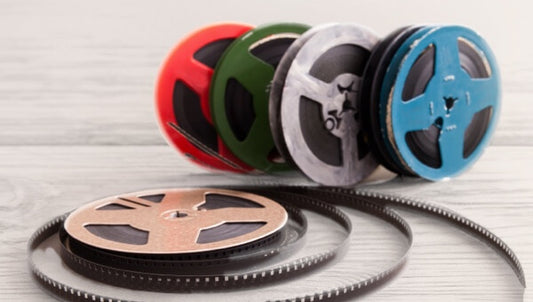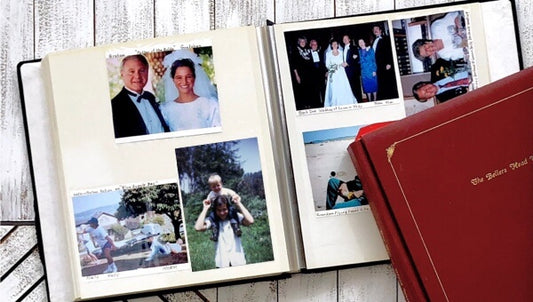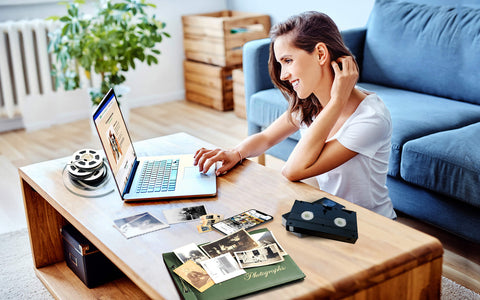

Choosing how to digitize your old photos, tapes, and home movies often comes down to convenience and comfort. Some people like being able to drop items off in person and know exactly where they are, while others prefer the simplicity of packing everything up and mailing it out. The choice between local drop-off vs. mail-in digitizing depends on how involved you want to be in the process and what feels most practical for your situation.
Jump To:
Why the Choice Matters
Digitizing personal media is not like ordering a product online. These items exist only once. Old tapes can degrade. Photos can fade or stick together. Film can snap if handled poorly. That is why local drop-off vs. mail-in digitizing is more than a logistical decision. It affects how much control you have, how much you can verify beforehand, and how confident you feel during the process. Some people feel better handing items to a real person. Others value the flexibility of shipping from home. Both paths can lead to great results, but they serve different needs.

Choosing between local drop-off and mail-in digitizing comes down to visibility, control, and convenience.
Local Drop-Off
Local drop-off gives you a hands-on way to start the process, with direct visibility into what you’re digitizing and how it’s handled.
In-Person Handoff of Originals
Local drop-off begins with a face-to-face handoff. You bring your tapes, photos, or film directly to the location and speak with someone who handles media every day. That moment matters. You can explain which items are most important. You can point out fragile cases or damaged reels. Many people feel immediate relief knowing their originals never leave their sight until they are safely checked in. For customers comparing different digitization companies, this personal exchange often builds trust right away.
Ability to Watch Tapes and See What is on Them Before Digitization
One major benefit of local drop-off is previewing. Many families have boxes of tapes with faded labels or none at all. Being able to watch a few minutes of each tape helps identify what is actually recorded. This is especially helpful with VHS conversion, where the outside label rarely tells the full story. Seeing the content lets you decide which tapes need full digitization, trimming, or special handling before any work begins.
Immediate Confirmation of Content and Priorities
When you can preview media, you can also set priorities on the spot. Wedding footage may come before birthday parties. A damaged tape may need urgent attention. This immediate confirmation reduces guesswork and avoids surprises later. It also prevents paying to digitize blank sections or recordings you no longer need.
Greater Control and Peace of Mind
Local drop-off appeals to people who want visibility and reassurance. You know where your media is. You know who has it. For many, especially those with emotionally important material, that peace of mind outweighs any extra travel involved.
Local drop-off digitizing is often the better choice when:
- You are unsure what is recorded on your tapes
- Your collection is large or mixed
- Some items appear damaged or fragile
- You want to set priorities in person

Local drop-off allows you to stay more involved and feel confident about where your media is.
Mail-in Digitizing
Mail-in digitizing lets you send your media from home, making the process simple and location-independent.
Ship Media Drom Home
Mailing in media removes geography from the equation. You pack your media at home and ship it to the provider. This works well for people who live far from physical locations or have busy schedules. You do not need to coordinate drop-off times or travel.
No Ability to Preview Tapes Before Digitization
If you do not have the right equipment, such as a VCR for VHS tapes or a projector for film reels, you cannot preview what is on your media before it is digitized. In those cases, you are relying on labels, memory, or notes rather than actually seeing the footage. This means any unexpected content, missing recordings, or long blank sections are only discovered after the digitization is complete, when you receive the final files.
Convenient for Small or Clearly Labeled Collections
Mail-in works best when the collection is straightforward. A few labeled tapes. A box of photos already organized by year. A single album sent to a trusted photo digitizing service. In these cases, the simplicity of shipping outweighs the need for hands-on review.
Less Direct Visibility into the Process
With mail-in digitizing, communication happens digitally. Updates arrive by email. Questions are resolved through notes or calls. While many customers are comfortable with this approach, others miss the reassurance of in-person interaction.
Mail-in digitizing is usually a good fit if:
- Your items are clearly labeled
- You already know what content you want digitized
- Convenience matters more than previewing
- You prefer handling everything from home

Mail-in digitizing is ideal when your items are labeled, organized, and ready to ship.
Who Each Option is Best For
Local drop-off is ideal for people who want to see and verify their content before work begins. If you are unsure what is on your tapes, want to preview footage, or need help sorting priorities, this option fits best. It is also a strong choice for large or unclear collections. Customers in the Atlanta area often choose this option because of easy access to the Capture's Atlanta drop-off service and direct communication.
Mail-in digitizing works well for people who value convenience and already know what they are sending. If your items are organized and labeled, this option saves time and avoids travel while still delivering professional results.
Local Drop-Off vs. Mail-in Digitizing
| Local drop-off | Mail-in |
|---|---|
|
|
Making The Right Choice For Your Media
Both local drop-off and mail-in digitizing can deliver accurate, reliable results when the process is handled carefully. The real difference in local drop-off vs. mail-in digitizing is how involved you want to be before digitization starts. Capture offers local drop off for Atlanta area customers and a mail-in option for everyone else. That flexibility lets you choose the method that fits your needs while ensuring consistent quality and care for your media.