
Dropping off old VHS tapes can feel a little like opening a time capsule. Before you hand over those boxes of home movies, taking a few minutes to get organized can make the experience smoother and help ensure nothing gets overlooked. If you want to prepare your media for drop-off in Atlanta, a thoughtful approach can save time at intake and make it easier for your memories to be handled with care from the moment they’re received.
Table of Contents
Why Preparation Matters
Old media requires careful handling. VHS tapes, photos, and other analog formats can be easily damaged if they are tangled, unlabeled, or loosely packed. Taking time to prepare your items before drop-off helps protect them and makes it easier for technicians to understand what you’ve brought in and how everything relates.
Preparation also helps the intake process move more smoothly. When media is organized and clearly identified, there is less back-and-forth, fewer questions later on, and a clearer path once digitization begins. When you prepare your media for drop-off in Atlanta, the focus stays on preserving your memories rather than sorting out avoidable issues.

Preparing media in advance helps keep the digitization process organized from the start.
1. Sort and Organize Your Media
Before packing anything, spend time sorting your collection. This step sets the foundation for everything that follows.
Group by Format
Separate items by type so nothing gets mixed together during handling. Common groups include:
- VHS tapes
- MiniDV or Hi8 tapes
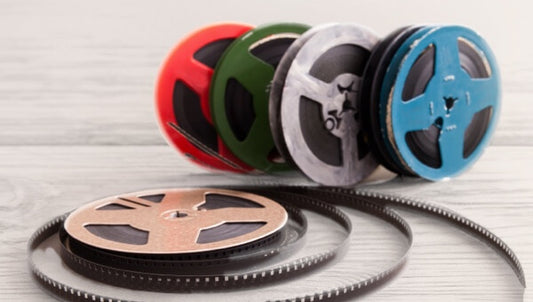
- Film reels
- Loose printed photos
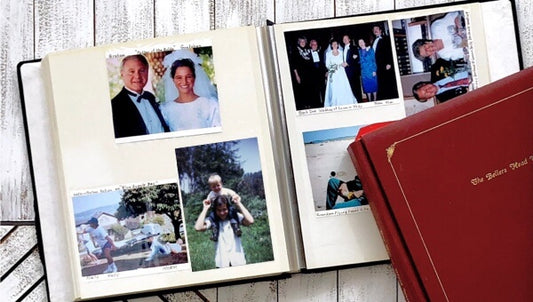
- Photo albums
Keeping formats grouped ensures each item receives the correct handling and processing method.
Create Batches and Label Clearly
Large collections are easier to manage when broken into smaller, logical groups. You might organize by decade, family member, or event. Simple labels such as “Family Events 1995–1999” or “Holiday Recordings” are enough.
Avoid writing directly on tapes, photos, or albums. Instead, place labels on bags, dividers, or paper inserts. Clear labeling helps technicians accurately convert old home movies to digital while preserving the original context of your collection.
2. Perform Basic Physical Preparation
Once everything is organized, do a quick visual check. No special tools or cleaning products are needed.
- Remove obstructions: Take off rubber bands, loose strings, or damaged cases. If a tape shell is cracked, place it in a separate bag and make a note.
- Light dust: Gently wipe surfaces with a dry, soft cloth. Avoid liquids or sprays.
- Careful handling: Hold photos by the edges and support tapes from underneath. Never force open a tape or unwind film.
If your project includes photo albums, keep photos in place unless instructed otherwise. Capture offers a touchless photo album scanning service, so albums can be scanned without removing photos.

Confirming intake requirements ahead of time helps avoid delays or unexpected issues.
3. Check Local Requirements in Atlanta
Every provider has specific intake guidelines, so confirm details before your visit.
Selecting a provider with a clear process and experience across formats helps avoid confusion. Capture offers a dedicated Atlanta drop-off service, allowing local families to hand off media securely without shipping.
It’s also helpful to think ahead about how you want your files delivered, such as digital downloads, USB drives, or cloud access. Deciding early prevents last-minute changes later.
Create a Simple Inventory List
Before leaving home, write down what you are bringing:
- Number of tapes
- Number of albums or loose photos
- Any damaged or fragile items
This list helps confirm that everything is accounted for during intake and gives you peace of mind once items are handed over.
4. Packing for Transport
Even short drives can cause damage if the media shifts inside a box. Use sturdy containers that fit items snugly and avoid oversized boxes that allow movement. Add padding at the bottom, stack items carefully, and place heavier media such as VHS tapes, film reels, or boxed DVDs below lighter items like photos or loose paper materials.
Keep flat items supported and upright items stable. Avoid overpacking, which can cause pressure damage to tape shells, cases, or album bindings. For film reels, DVDs, and other disc-based media, use protective cases when available and keep them separated from heavier items. In hot or humid weather, transport everything in a climate-controlled vehicle and never leave boxes in a parked car. If you include notes or special instructions, place them in a separate envelope on top of the box so they are seen immediately during intake.

Creating a simple inventory list helps ensure all items are accounted for at drop-off.
5. At the Drop-Off Location
Arriving prepared makes the handoff straightforward and reduces uncertainty.
- Confirm items: Review what you are handing over and confirm counts before leaving to ensure everything is logged correctly before conversion begins.
- Share context: Mention fragile items, priority tapes, or groups of recordings that belong together so they can be handled appropriately during VHS conversion and other media processing.
- Ask about communication: Find out how updates will be shared and who to contact with questions.
- Clarify timelines: Ask about the estimated completion time and how finished files will be delivered.
Setting Your Digitization Project Up for Success
Taking time to prepare your media for drop-off in Atlanta makes the entire digitization process easier and more predictable. Organized items move through intake faster, stay protected, and reduce the chance of errors. Capture helps Atlanta families preserve memories with clear steps, careful handling, and dependable communication. When you arrive prepared and informed, your project starts strong and finishes with results you can trust.