Do Photos Help Relatives with Dementia?
Photos can help relatives with dementia by encouraging reminiscence, supporting conversations, and creating a sense of familiarity and connection. Looking through recognizable family photos may prompt memories or emotions, even when specific details are difficult to recall. Personalized photo albums and digitized family collections can also make meaningful memories easier to revisit and share.

Photos help relatives with dementia by unlocking emotional memories, familiar faces, and moments long forgotten. Even when words fade, visual memory often remains. That’s why caregivers turn to family pictures not just for nostalgia - but as a powerful tool for comfort and connection. At Capture, families trust us to digitize aging old family photo collections before time wears them down, preserving the emotional ties that make each image matter.
Why Are Photos Important for People with Dementia?
Visual memory can outlast verbal memory. While names and timelines may blur, a wedding photo or a favorite pet can still spark recognition. These emotional responses are essential for people living with dementia. They provide grounding, calm, and even moments of happiness in otherwise confusing days.
Benefits of photos in dementia care:
Promote emotional connection and familiarity
Help maintain identity and reduce anxiety
Encourage gentle conversation and storytelling
Offer comfort during distress or disorientation
Create shared experiences across generations
Can Looking at Photos Improve Memory in Dementia?
Yes. Research shows that photo cues can stimulate parts of the brain still functioning, especially those tied to emotional memory. This is the foundation of reminiscence therapy, which uses personal imagery to enhance mood and interaction.
A study in Aging & Mental Health found that viewing family photos helped improve communication and engagement in group sessions with individuals experiencing Alzheimer’s.

Old photos do more than spark memories; they bring back identity, calm confusion, and reconnect hearts across time.
How To Use Family Photos in Dementia Care
Not all photo use is the same, how you present and engage with images can make a major difference. Simple, thoughtful approaches work best. Whether you’re using printed albums or digital displays, the goal is to create a sense of familiarity, connection, and calm.
Below are practical ways you can incorporate photos into daily dementia care routines.
Create A Memory Album or Scrapbook
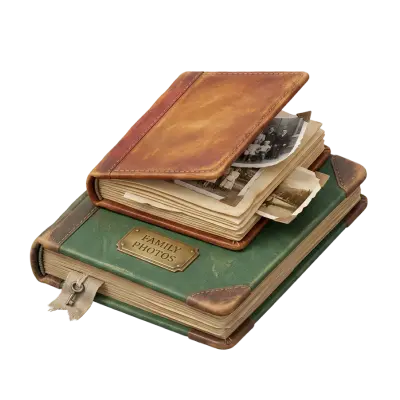
Memory books help guide attention. Use a simple structure, organized by family member, decade, or milestone. Clear captions like “Your 40th birthday” and bold text make things easier to follow. Avoid cluttered layouts.
If you’re starting from old albums, learn how to safely remove photos from sticky albums without damaging them.
Once organized, Capture offers photo album scanning services to digitally preserve these collections with care.
Set Up a Digital Photo Frame
Rotating digital frames allow consistent exposure to loved ones’ faces and favorite places. Many can be updated remotely, letting families share fresh content without disrupting routines.
Pro tip: Use recognizable spaces like living rooms or gardens - simple, emotionally strong photos work best.

It’s not about the facts; it’s about the feelings. Let photos spark joy, not stress, and let the moment lead the way.
Best Practices for Talking About Photos
Before diving into the specifics, remember that showing photos is about creating a warm, supportive atmosphere - not testing memory. Keep the tone calm and encouraging, and let the images guide the conversation naturally.
Ask gently: “Do you like this one?” is better than “Do you remember?”
Avoid corrections - respond to feelings, not facts
Allow for silence; sometimes quiet recognition is more powerful than words
Photos aren’t memory tests, they’re emotional anchors. Even a faint smile is a meaningful response.
How to Preserve Photos for Dementia Therapy
Prints fade, tear, and degrade. Digital preservation is the best way to protect memories and ensure access when needed.
Photo preservation tips:
Digitize early to prevent fading
Back up files to cloud or USB
Choose only clear, well-lit images
Avoid crowd scenes or unclear subjects
Focus on emotional or personal significance
Not sure where to begin? You can start by grouping similar images, by decade, event, or family member, which makes the scanning process smoother and more meaningful for memory use.
For families looking to preserve their collections with expert care, Capture offers photo scanning in Houston and beyond, helping you safeguard fragile prints before they’re lost to time.

Photo memories spark connection across generations—bringing families closer, starting conversations, and keeping love at the center.
Why Photo Memories Help Families Too
Photos help relatives with dementia, but they also strengthen the entire family. Looking at albums together opens doors to storytelling, shared laughter, and even learning. Kids discover family history. Spouses find calm. Caregivers create meaningful moments without needing words.
Want to take things further? You can make a video from photos to create a moving family timeline filled with emotion and identity.
Preserving Photo Memories Matters in Dementia Care
Photos help relatives with dementia by bringing the past into the present. They offer peace, identity, and connection, even when other forms of memory are slipping away. Whether it’s a framed portrait, a digital slideshow, or a carefully labeled album, these images become tools for comfort, grounding, and joy.
Start preserving with Capture today, because every photo holds more than a picture. It holds a feeling worth remembering.
Early access: 22% off orders $100+
You May Also Like

How to Transfer a CD to a USB Flash Drive: Music, Photos, and Files
To transfer a music CD to a USB flash drive, you have to rip it first: import the tracks as MP3 or AAC files with Windows Media Player or Apple Music, then copy those files to the drive. Dragging tracks straight from the disc only copies 44-byte ".cda" shortcuts that won't play, while photo and data CDs can be copied and pasted directly. A 16GB flash drive holds about 100 albums as 320 kbps MP3.

Does Walgreens Transfer VHS Tapes and Photos to Digital? What to Know Before You Decide
Yes, Walgreens transfers VHS tapes, film, photos, negatives, and slides to digital — but the work is outsourced to iMemories, not done in-store. Video converts to DVD, Blu-ray, or cloud; photos convert to USB only. Turnaround typically runs 3–5 weeks.
Forever Studios Reviews 2026: Is It Worth It? Quality, Pricing & Comparison
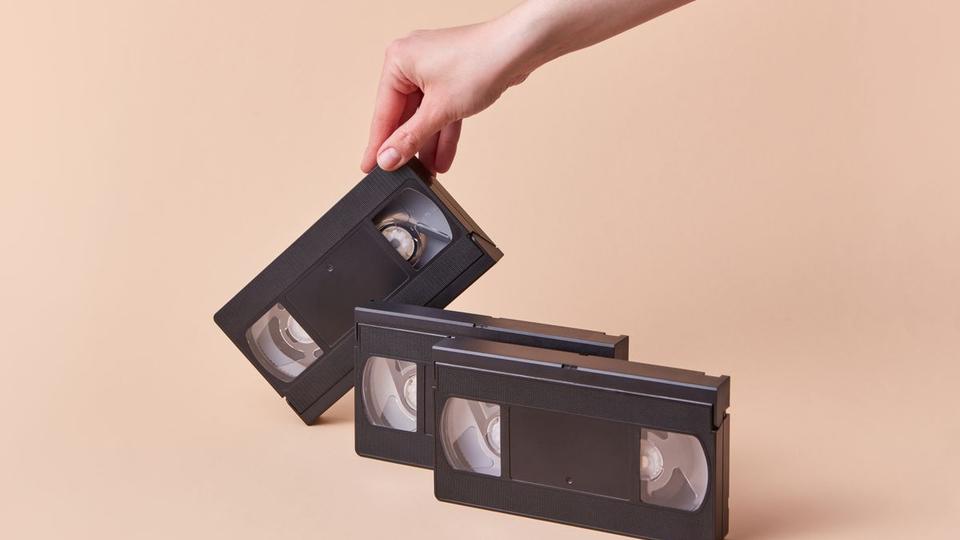
Yes, Forever Studios is a legitimate digitizing service. Based in Boca Raton, Florida, it specializes in transferring VHS tapes, camcorder tapes, film reels, photos, slides, negatives, and audio cassettes to digital formats. Most Forever Studios reviews praise the company's restoration quality and careful handling of sentimental media. The most common criticisms focus on quote-based pricing, longer-than-expected turnaround for some orders, and uncertainty over whether the Forever Gold upgrade delivers enough additional value. If preserving aging videotapes is your priority, Capture's VHS to Digital service includes published pricing, AI-enhanced restoration, and predictable turnaround times, making it easier to compare before placing an order.