Best Photo Scanning Services in 2026: 6 Companies Compared, Plus DIY
The best photo scanning services in 2026 are Capture, Forever Studios, ScanMyPhotos, LegacyBox, ScanCafe and EverPresent. They differ most in price per photo, scan resolution and turnaround. For most households, Capture offers the best balance: $19.99 for the first 50 prints, then $0.29 per photo at 2K, touchless album scanning, and digital files in 2–3 weeks.

Choosing between the best photo scanning services comes down to what you have and how fast you need it back. A shoebox of 4 × 6 prints, a stack of bound albums and a tray of negatives each point to a different company. This comparison looks at six services and the do-it-yourself option side by side, with prices checked on each company's own website in late October 2026.
Top photo scanning services compared
The table below compares the top companies that digitize photos across four factors.
Service | Best for | Resolution | Turnaround |
|---|---|---|---|
Capture | Overall value + touchless albums | 1,200 DPI (prints) / 240MP per page (albums) | 2–3 weeks |
Forever Studios | Archival TIFF + photo restoration | Up to 4,000 DPI | Quote-based |
ScanMyPhotos | High-volume bulk orders | 300–600 DPI | 3–4 weeks |
LegacyBox | Simple kit-based orders | Standard | 4–6 weeks standard |
ScanCafe | Restoration and detail work | 600–1,200 DPI | 4–6 weeks |
EverPresent | Large or fragile collections | High | Quote-based |
Home scanner | Small DIY orders | Up to 4,800 DPI | Immediate |
1. Capture: best overall
Capture has digitized family media since 1999 and scans everything in-house at its facility in Norcross, Georgia. It stands out for low per-photo pricing, touchless album scanning and a fast turnaround. Full details on resolution, accepted sizes and what's included are on Capture's photo scanning service page.
Loose prints: $19.99 for the first 50 photos, then $0.29 per photo at 2K, $0.39 at 4K or $0.59 at 6K
Albums and scrapbooks: photos are scanned without being removed from the page; $19.99 for the first 50 photos, then $0.39 (4K) or $0.59 (6K) per photo. Capture is the only major service offering photo album scanning without removing prints
Turnaround: most orders are digitized 2–3 weeks after arrival
Delivery: 90 days of free MemoryCloud access, Google Photos auto-save, optional USB from $14.99
Shipping: you pack your own box; return shipping is $12.49, or $24.98 for a prepaid round-trip FedEx label
Rating: 4.4/5 from 1,286 verified customer and Google reviews (September 2026); Atlanta drop-off available
Customers weighing local drop-off vs mail-in digitizing can also hand-deliver to Capture's Atlanta-area studio, which runs the same workflow as mail-in orders.
2. Forever Studios: best for archival TIFF output and photo restoration
Forever Studios is a strong choice for customers who prioritize archival-quality files, hands-on service, and advanced photo restoration options.
Scans at up to 4,000 DPI with output in both archival TIFF and sharing-ready JPEG
Each print handled individually by a named technician, not automated batch processing
Photo restoration, colorization, and remastering available as add-ons
South Florida local studio with in-person drop-off and 1-on-1 concierge service; national mail-in also available
Album photos must be removed before sending; no touchless album scanning
Also offers printed wall art from scanned or restored photos
Formats, pricing & output
Formats: prints, 35mm slides, negatives, documents, photo albums (photos must be removed)
Output: archival TIFF + JPEG | Resolution: up to 4,000 DPI
Pricing: quote-based via their online calculator
Best for: archival TIFF files, photo restoration, or concierge experience
3. ScanMyPhotos: best for high-volume bulk orders
ScanMyPhotos is designed for customers who need to digitize large quantities of loose photos at scale.
Operating since 1990, specializes in high-volume flat-rate box orders
Fill-the-box model: pack as many standard 4 × 6 prints as fit, pay one flat rate; the prepaid box was listed from $169 (list $338) in October 2026
Per-scan pricing from 20¢ per photo with a $25 minimum
Resolution: 300 or 600 DPI, sufficient for sharing, lower than Capture or ScanCafe for archival preservation
Does not scan photos inside albums; prints must be removed before sending
Formats, pricing & output
Formats: loose prints, 35mm negatives, slides
Turnaround: approximately 3–4 weeks
4. LegacyBox: best for simple kit-based orders
LegacyBox appeals to customers looking for a straightforward mail-in process that can accommodate multiple media types.
Kit model: buy a box sized for your number of items, fill it, ship it in; straightforward for mixed media orders combining photos and tapes
LegacyBox pricing starts at $69.98 for a 2-item kit at regular price, where one item is a set of 25 photos, so 50 photos cost about 3.5 times Capture's $19.99 entry price
Bulk 4 × 6 box: from about 7¢ per photo on sale for very large standard-print orders, at lower resolution than Capture or ScanCafe
Standard turnaround is 4–6 weeks, with paid expedited options
AMB Media also operates SouthTree and Kodak Digitizing under separate branding, which is why LegacyBox competitors like Capture and ScanCafe stand apart on quality and turnaround
Formats, pricing & output
Formats: loose prints (25 photos per item slot), videotapes, film reels
Turnaround: 4–6 weeks standard
Customers choosing between the two will find the Legacybox vs Capture differences in quality, tracking, and turnaround covered in detail.
5. ScanCafe: best for detailed restoration work
ScanCafe focuses on manual review and restoration services for customers who want additional attention given to each image.
Over 15 years operating, 150M+ memories scanned
Each scan is manually reviewed by a technician, giving stronger quality control than automated batch services
Photo restoration available as an add-on, from $1.48 per image: removes water damage, tears, creases, and heavy fading
Pricing: $0.48 per photo, slide or negative | $28 per videotape | $0.34 per foot of film
Scanning is done at ScanCafe's facility in Indianapolis, Indiana. Customers comparing the two on resolution, turnaround, and security will find the ScanCafe vs Capture differences significant at larger order volumes
Formats, pricing & output
Formats: prints, 35mm negatives, APS film, 35mm slides, audio cassettes
Turnaround: 4–6 weeks standard, with a 10-business-day express option | Cloud: Kinoke cloud storage $14.99 per month after a free first month
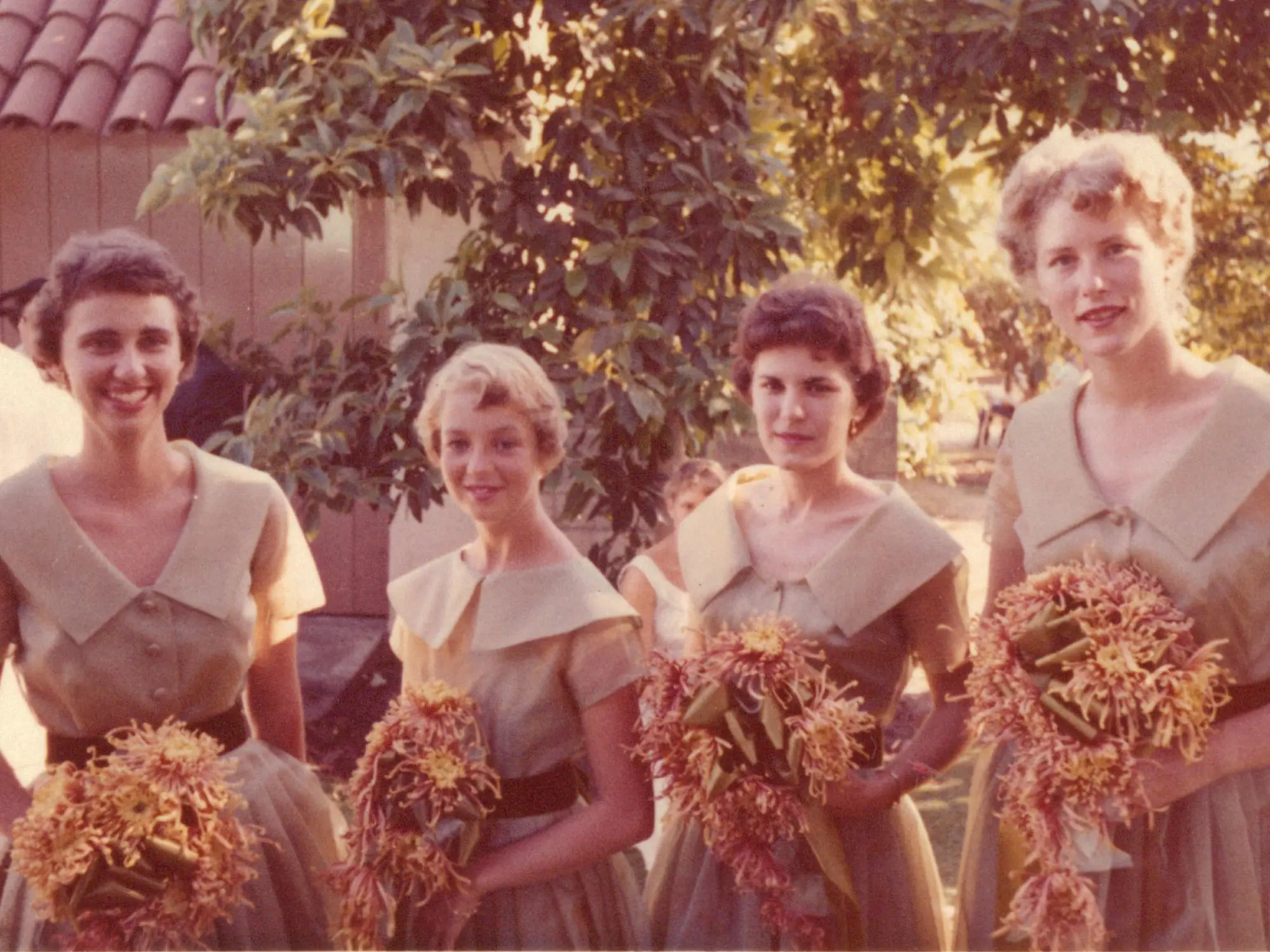
Many prints from the 1950s–1970s have faded toward magenta; check whether a photo scanning service includes color correction or charges extra for it.
6. EverPresent: best for large or fragile collections
EverPresent specializes in handling extensive or delicate collections that may require a more personalized approach.
White-glove positioning: suited to families with large, mixed, or particularly delicate collections
Handles photo prints alongside VHS tapes, film reels, slides, and audio in one order
Drop-off locations available in select markets
Pricing not published upfront; requires a quote, making cost comparison difficult
EverPresent reviews point to longer timelines and less pricing transparency than most mail-in alternatives
Formats, pricing & output
Formats: prints, albums, negatives, slides, videotapes, film, audio
Turnaround: varies; contact for quote
7. Home scanner: best for small orders with full DIY control
A home scanner can be a practical solution for smaller projects when you prefer to manage the digitization process yourself.
A basic flatbed like the Epson Perfection V39 II lists at $129.99, and the sheet-fed Epson FastFoto FF-680W lists at $629.99 (epson.com, October 2026)
Resolution can reach 4,800 DPI on flatbeds, which exceeds most mail-in services for individual prints
Time cost is significant: scanning a shoebox of 300 photos one by one takes many hours
Most home scanners cannot handle negatives, slides, or photos inside albums without add-on attachments
Those considering a slide converter for home use will find that the quality gap versus a professional mail-in service widens at higher volumes
How to Compare Photo Scanning Services
Five factors matter. Here's what to look for in each:
1. Quality and resolution
600 DPI is the minimum for archival preservation, enough to reprint cleanly at the original size. 1,200 DPI captures finer grain and surface detail, which matters for photos from the 1970s and earlier or anything smaller than 4 × 6. Check whether a service uses professional-grade equipment or consumer scanners; the hardware difference shows in the output.
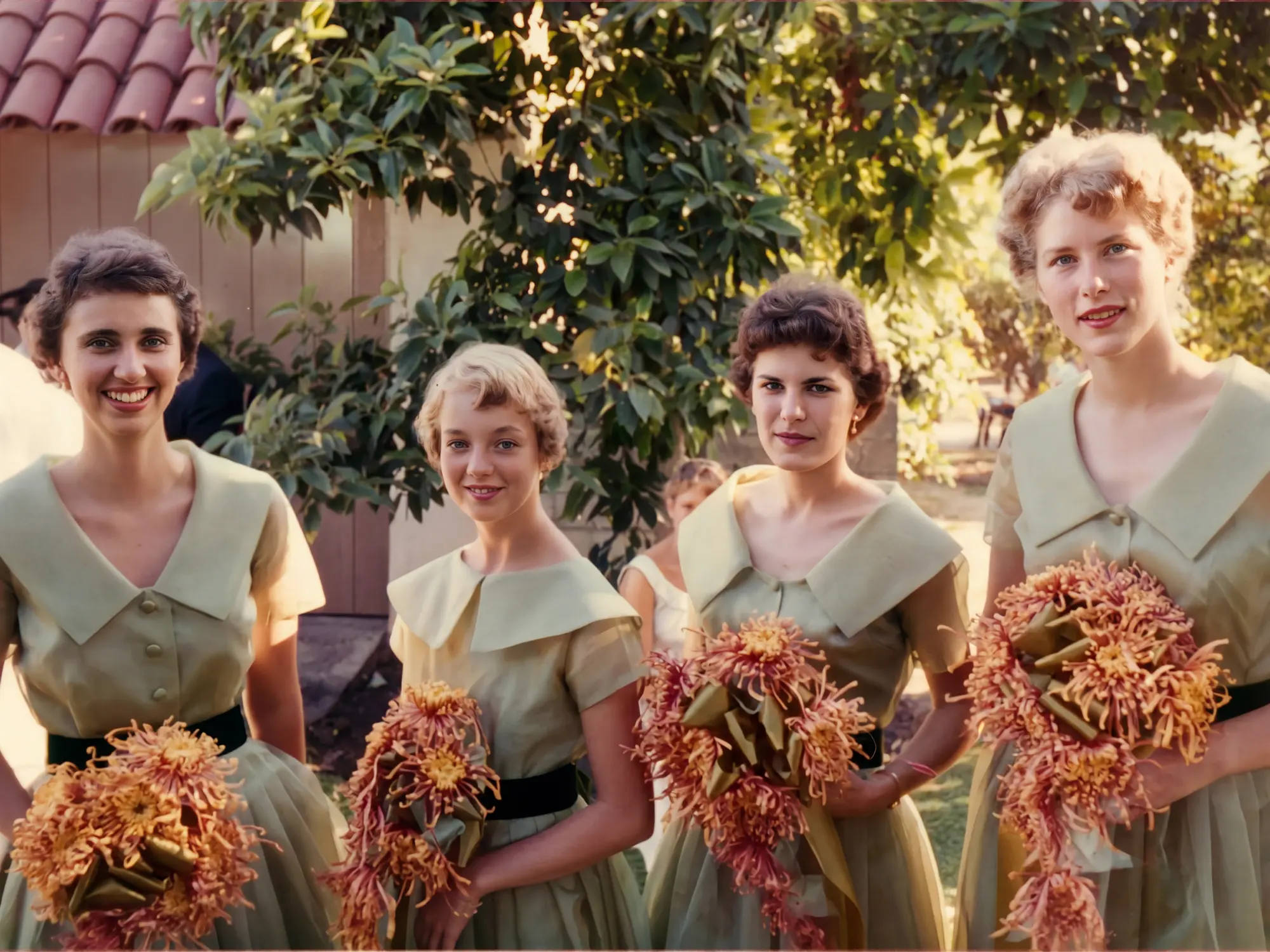
After color correction, skin tones and greens are restored. Resolution and correction both matter when you compare the best photo scanning services.
2. Turnaround time
Services range from 2–3 weeks (Capture) to 4–6 weeks for standard kit orders (LegacyBox, Kodak Digitizing). If you have a reunion, anniversary, or other deadline, turnaround matters more than marginal price differences.
3. Pricing: cheapest photo scanning services by volume
Two models dominate: per-photo pricing (Capture, ScanCafe) and kit-based pricing (LegacyBox, Kodak Digitizing). At entry volume, Capture's $19.99 for 50 photos is about 3.5 times cheaper than LegacyBox's $69.98 2-item kit at regular price. For very large batches of standard 4 × 6 prints only, LegacyBox's bulk box can reach about 7¢ per photo on sale. Our comparison of the cheapest bulk photo scanning services covers large orders in detail.
4. Privacy and security
Your originals leave your home. Check where your photos will be scanned, how items are tracked, and what happens if something is lost or damaged. Capture barcodes every item and digitizes everything in-house in Norcross, Georgia; ScanCafe scans in Indianapolis.
5. Photo scanning service reviews
Read photo scanning service reviews on Trustpilot and Google before ordering. Pay attention to complaints about lost media, missed turnaround promises, and billing disputes.
What formats do top photo scanning services accept?
Most professional photo scanning services support a variety of photo and film formats, although accepted media types can vary by provider.
Loose prints
Standard 4 × 6, 5 × 7, and 8 × 10 prints are accepted by every service. Capture also accepts wallet photos (2.5 × 3.5), Polaroids, B&W prints, and school or event photos up to 8 × 12.
Bound photo albums
Most services require photos to be removed from albums before sending. Capture is the exception: its touchless album scanning photographs each page without contact with the photos. Bound albums, ring-binders, and scrapbooks are accepted up to 14 × 14 inches, up to 5 albums per order.
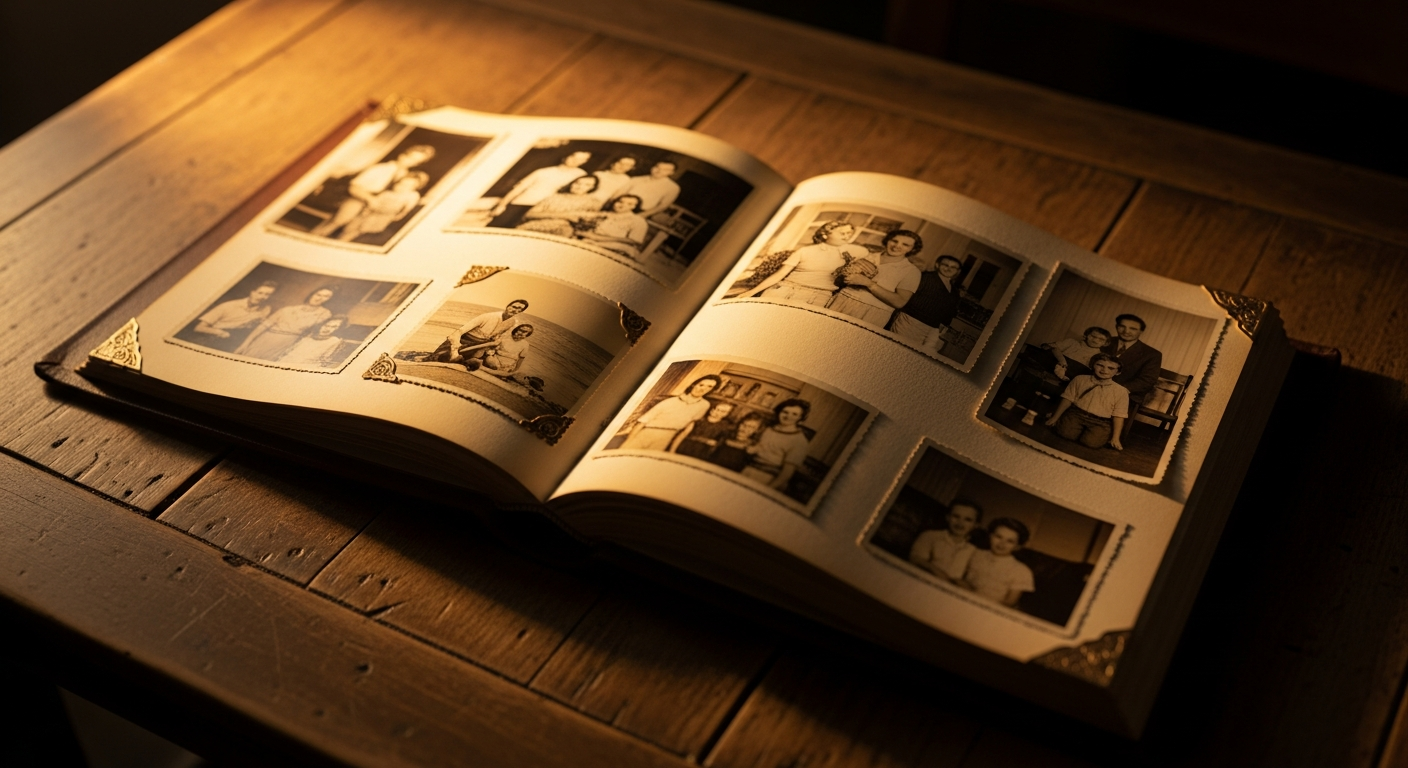
Most services ask you to remove photos from albums before sending; Capture scans them in place.
Negatives
35mm negatives are supported by all major services. Capture also accepts APS film, 110 film, and 126 Instamatic film. Confirm rarer formats directly before ordering.
Photo slides
35mm slides are accepted by Capture, ScanCafe, ScanMyPhotos, and EverPresent. Capture also accepts 110/220, 126, 127, and Super Slide formats.
Polaroids
Accepted by Capture. Confirm at other services, since Polaroid emulsions are fragile and not all operators handle them.
For mixed collections, a single order can cover photos, tapes, and film reels together; the best company to digitize home movies varies by format mix and volume.
How to start a photo scanning project with Capture
You don't need to sort or organize anything before sending. Here's the full process:
Gather your photos. Loose prints, albums, negatives, or slides, in any condition. Capture only charges for successfully scanned items.
Pack and ship. Pack your photos in any sturdy box. Return shipping is $12.49; add a prepaid round-trip FedEx label for $24.98 if you'd rather not arrange inbound shipping yourself.
Track your order. Capture sends a notification when your order is received and scans barcodes for every item through every step.
Receive your files. Digital files are ready in 2–3 weeks, delivered via secure cloud link. Download to any device, sync to Google Photos, or add a USB drive from $14.99.
Prefer to hand-deliver? Capture's Atlanta-area studio in Norcross accepts walk-in orders Monday to Friday, with the same 2–3 week turnaround. Understanding photo preservation timelines can help you prioritize which items to send first, since older prints and Polaroids degrade fastest.
Which photo scanning service is right for you?
The best photo scanning services in 2026 differ more in price per photo and turnaround than in basic quality. Compare resolution, turnaround and the full price for your collection size, and read recent reviews before committing. If you want a provider with 27 years of experience, in-house scanning, transparent per-photo pricing and touchless album scanning, start your Capture order today and give your most precious memories the quality they deserve.
Early access: 22% off orders $100+
You May Also Like
What Resolution Should You Scan Old Photos At?
Scan standard prints at 300–600 DPI, and scan slides or negatives at 2000–4000 DPI — negatives and slides need far more resolution because the original image is physically much smaller than a print. Choose the higher end of each range for archival copies or anything you might want to enlarge later.

Why Old Photos Turn Yellow (And How to Stop and Fix It)
Old photos turn yellow because the dyes and paper chemicals used to make them break down over decades — mainly through dye coupler instability, acid migration from old albums, and exposure to light, heat, and humidity. Photos from the 1970s and 80s are hit hardest because of less stable dye formulas and cheaper consumer paper. Most yellow casts can be corrected with color-corrected scanning; physical damage like tears or severe fading cannot.

TIFF vs. JPEG: What’s The Difference?
TIFF files are uncompressed and preserve full image detail, making them preferred for archiving and professional printing. JPEG uses lossy compression that permanently discards image data with each save. For digitized photos intended for long-term preservation, TIFF is the better archival choice while JPEG works well for sharing.